Manual die cut machines are human-powered and offer a platform with rollers. You crank a “sandwich” of cutting plate, die, and paper (or other material to be cut) through the rollers with a handle.
Basic pieces
- machine
- two cutting plates
- multipurpose platform or adapter
- die (shape cutter)
The standard cutting plates are a hard polycarbonate plastic. They are consumable, so they will need to be replaced periodically. Turn the plates over top to bottom, left to right, with every cut to reduce warping.
The multipurpose platform or adapter raises the cutting plates so you can use thin dies instead of steel rule dies.
You can successfully die cut with the basic pieces.
Optional extras
- self-healing cutting plate
- extended cutting plates
- chrome precision base plate
- metal shim
- magnetic plate
- silicone pad / impression pad pair
- die brush
The standard cutting plates can be swapped for a self-healing plate on the cutting surface. These are available from scrapbook.com or iCrafter or you can cut your own from any self-healing mat.
Extended cutting plates are needed IF you have an extra-long die.
The chrome precision plate and metal shim may be useful for cutting detailed thin dies. You can also add paper or cardstock shims to your sandwich.
A magnetic plate will gently hold thin steel dies in place. You can also use low-tack tape.
The floppy silicone pad and softer (than polycarbonate) impression pad are used together to emboss (rather than cut) from a thin steel die.
A die brush or die pick can be used to eject small pieces of paper from cutting dies.
Dies and Embossing Folders
- steel rule dies
- thin steel dies
- embossing folders
Steel rule dies are thick and heavy, 4 ounces or more, and cat cut chipboard, cardboard, or multiple layers of cardstock. New dies are quite expensive, generally $40 and up, and the only company still making these is Sizzix.
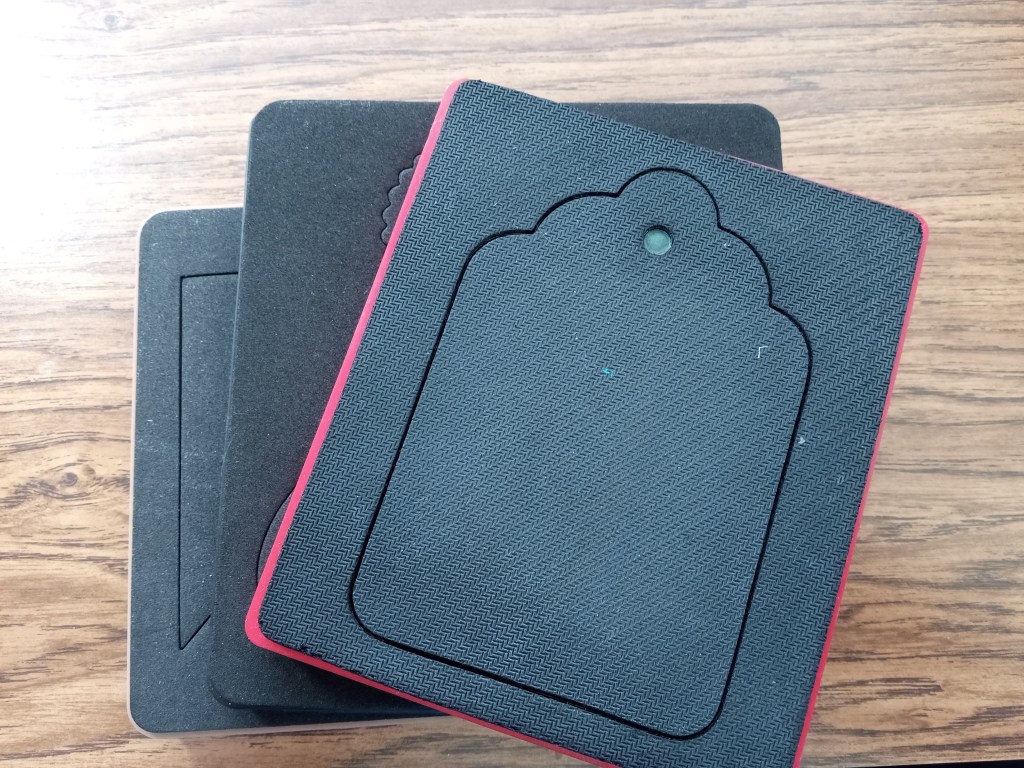
Thin steel dies are very thin, comparable to a few sheets of cardstock. Generally these should be used to cut a single layer of cardstock. These are widely available from many manufacturers and designers at a wide range of prices. Some thin dies are words or basic shapes, while others are made to cut out a co-ordinating stamped image.

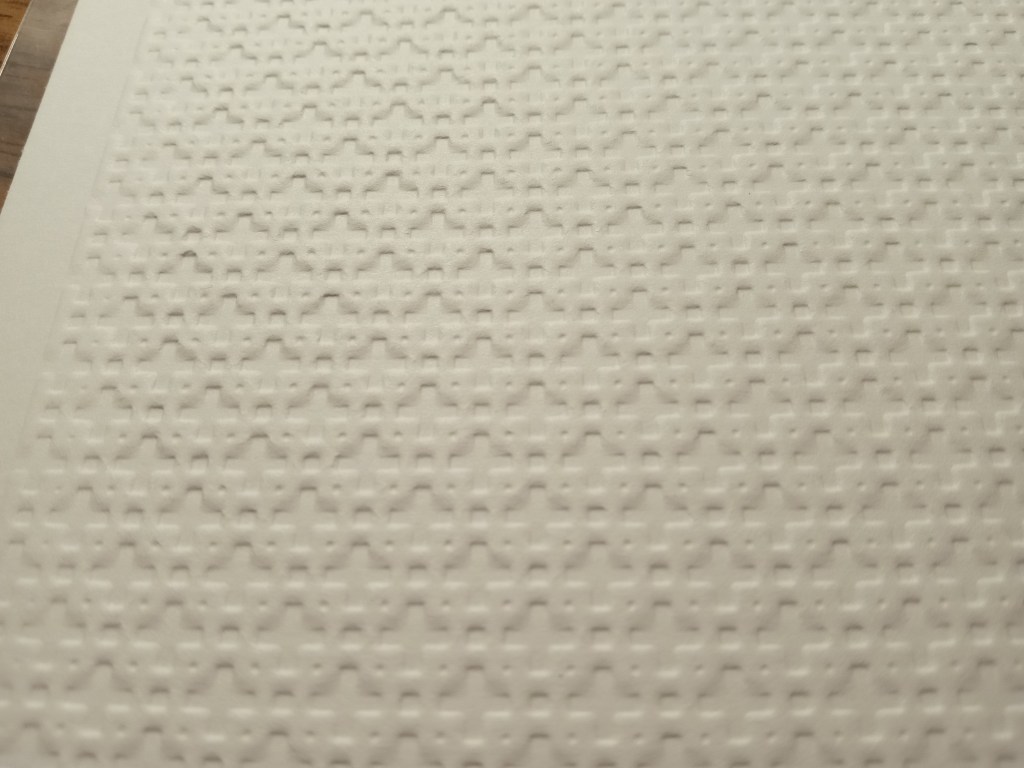
Embossing folders are two pieces of plastic, hinged, that have a positive raised image on one side and a negative debossed image on the other. You put a piece of paper between the two and run it through the die cut machine to emboss the image onto the paper. These are also widely available and inexpensive.
 Papercraft Crystal
2 thoughts on “Manual die cut machines – basics and optional extras”